Our Process: Simple, Safe, effective.

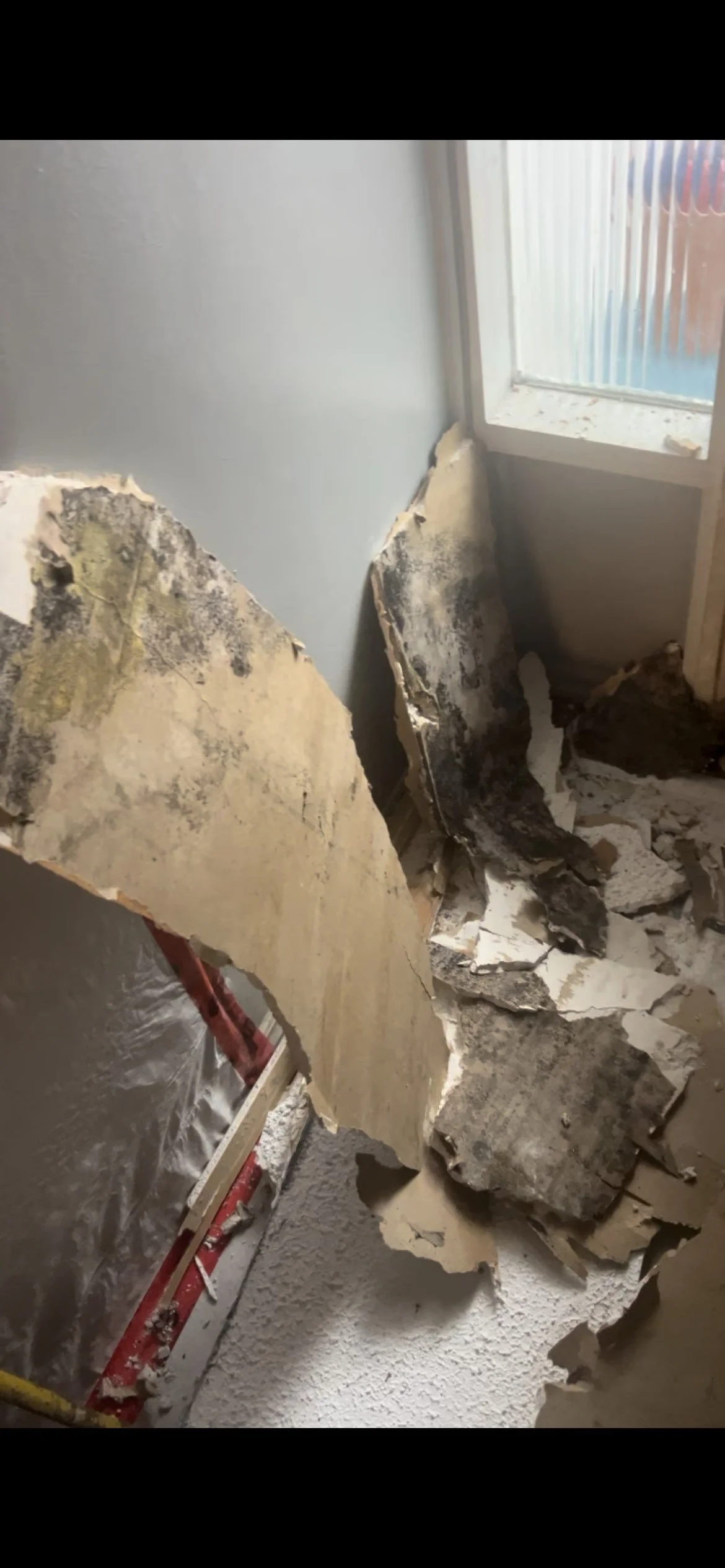
Broken drywall and insulation material from wall repair in a room near a window.

1) INSPECTION: IDENTIFY MOLD SOURCES & TEST AIR HUMIDTY
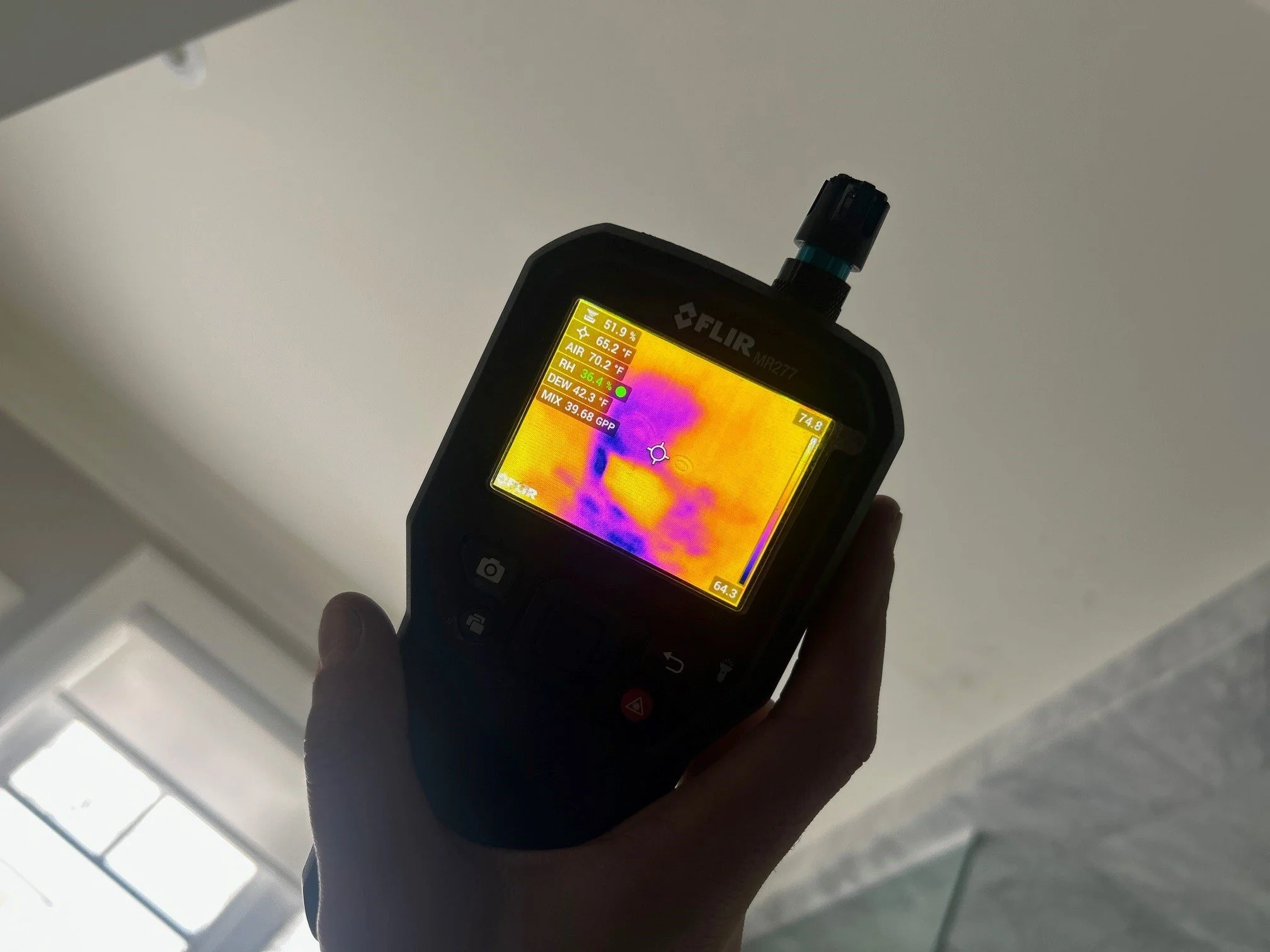
Infrared thermal imaging device showing a heat map with colors indicating temperature variations.
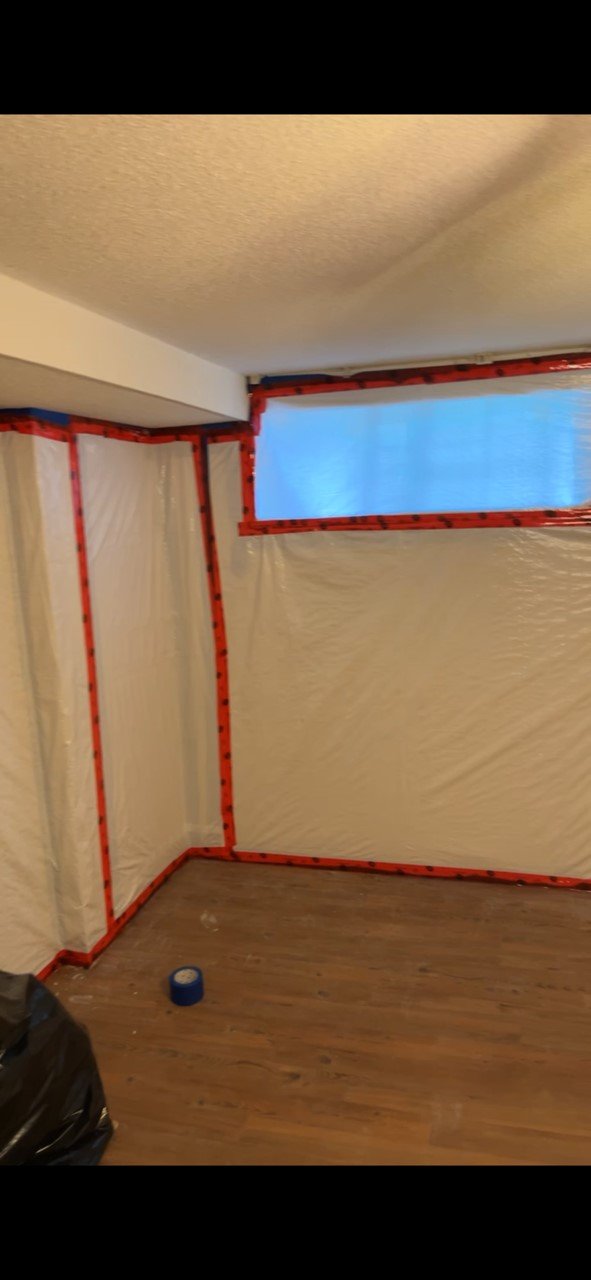
Interior room with plastic walls and red painter's tape outlining window and wall edges, indicating renovation work in progress.

2) CONTAINMENT: ISOLATE AFFECTED AREAS TO PREVENT SPREAD OF SPORES
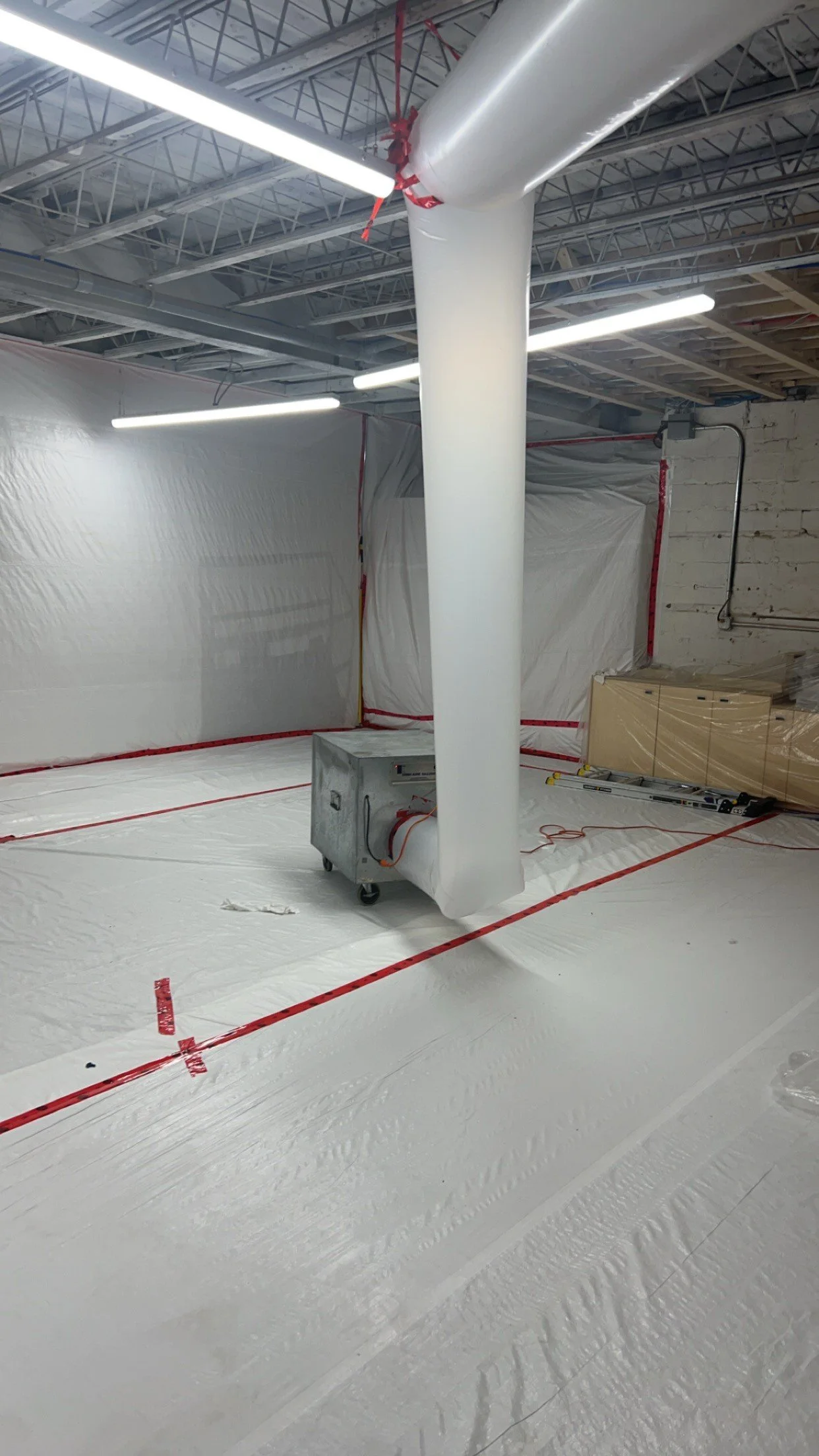
Construction site with white plastic sheeting covering the floor and walls, a large white duct hanging from the ceiling, and a portable heater visible in the center.
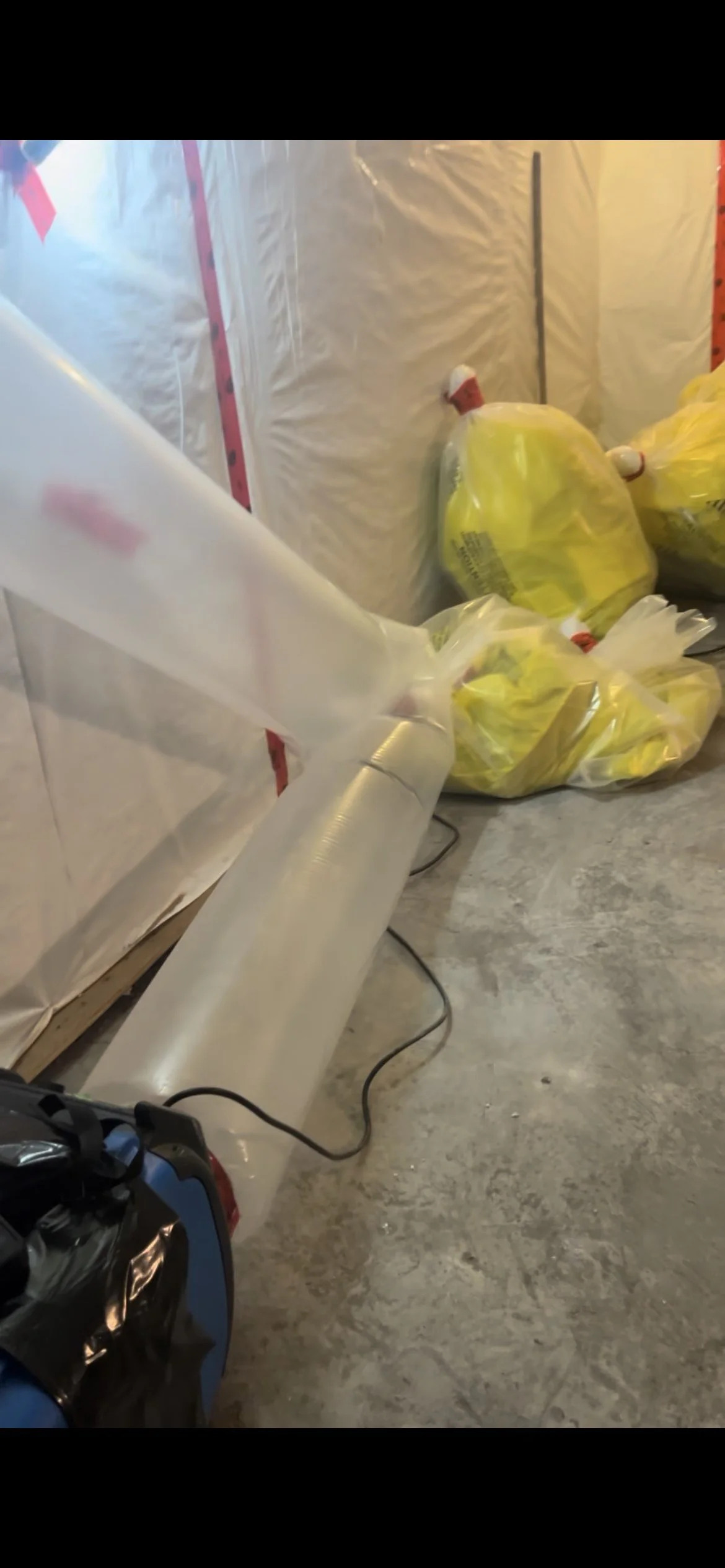
A space with plastic sheeting on the walls, yellow garbage bags filled with unknown items, and a heater on the floor connected with a power cord.

3) REMOVAL: SAFE REMOVAL OF MOLD & SPORES
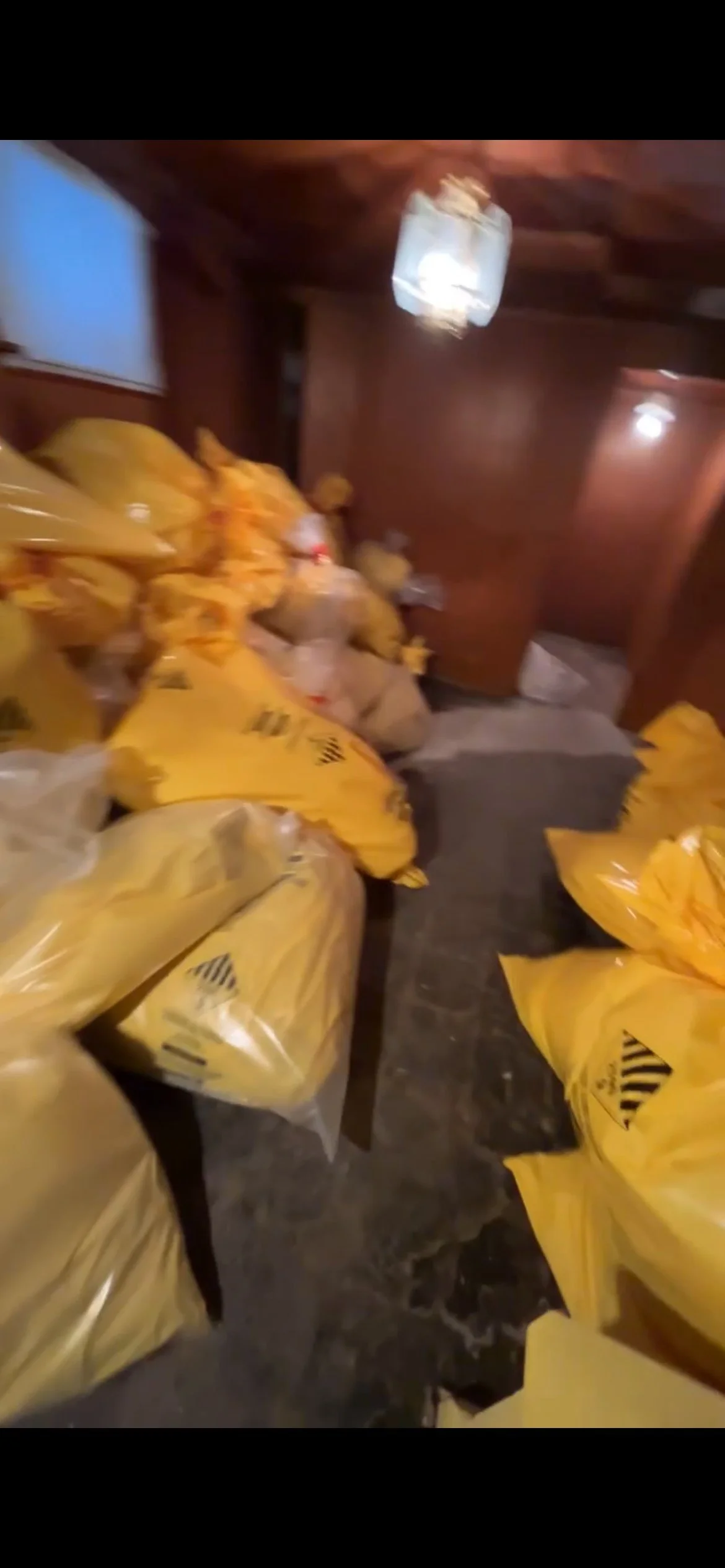
Room filled with numerous yellow plastic bags containing unknown items, on dark wooden tables and a gray carpeted floor, with a wooden wall and a ceiling light fixture.
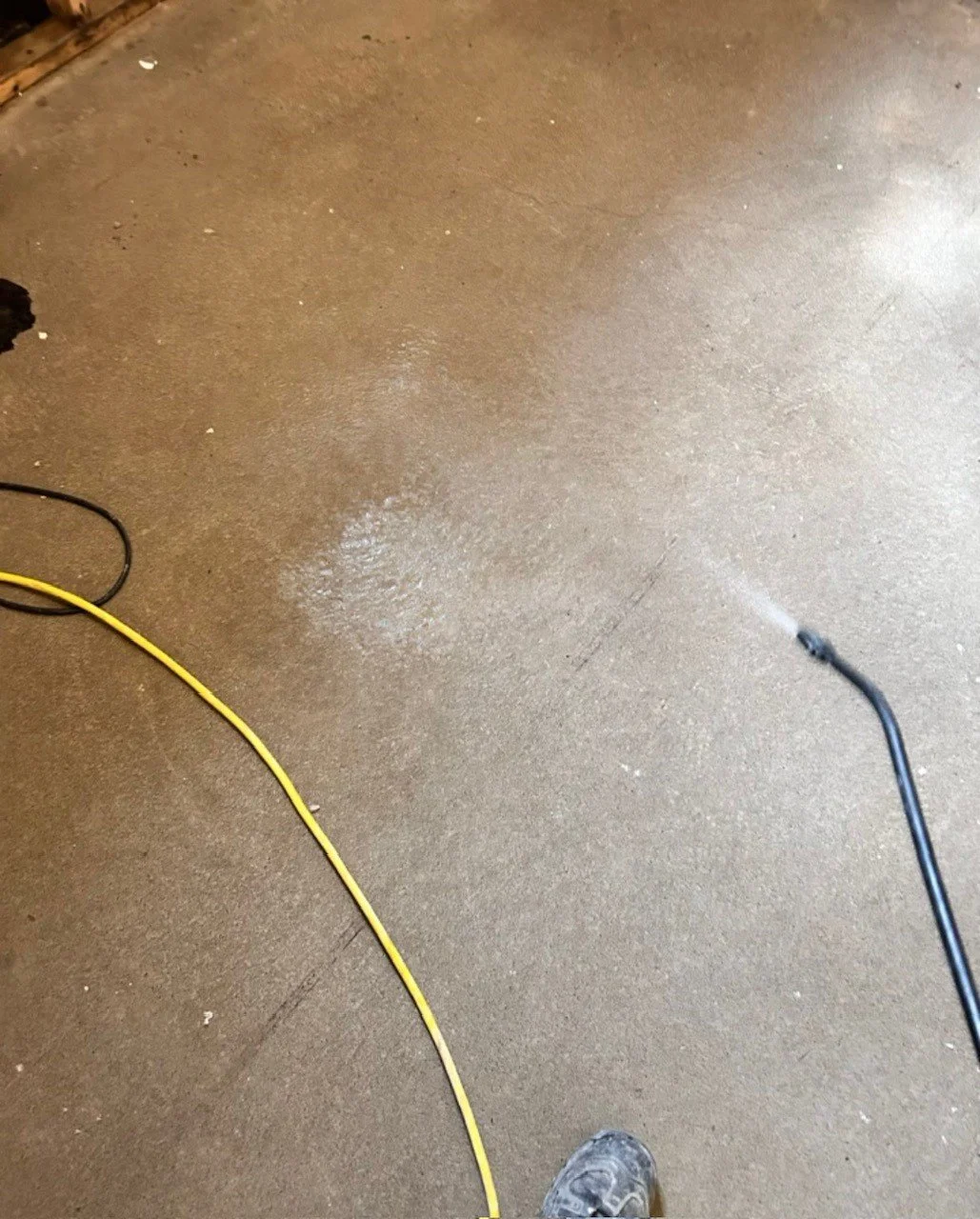
Person cleaning or spraying the floor with a pressure washer or spray wand, with yellow and black cords on a concrete floor.

4) RESTORE: CLEAN, DISINNFECT

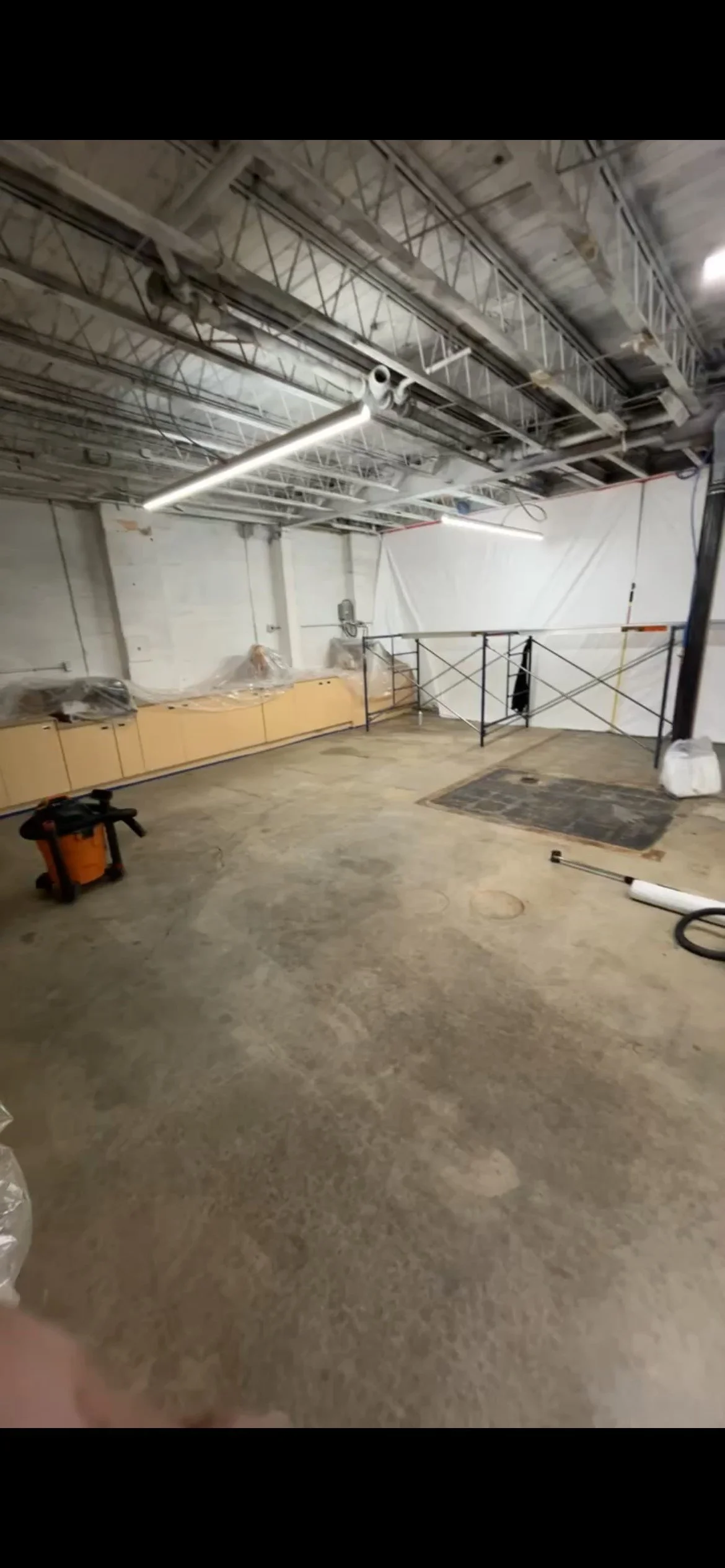
An unfinished interior space with a concrete floor, construction tools, scaffolding, and exposed ceiling pipes.
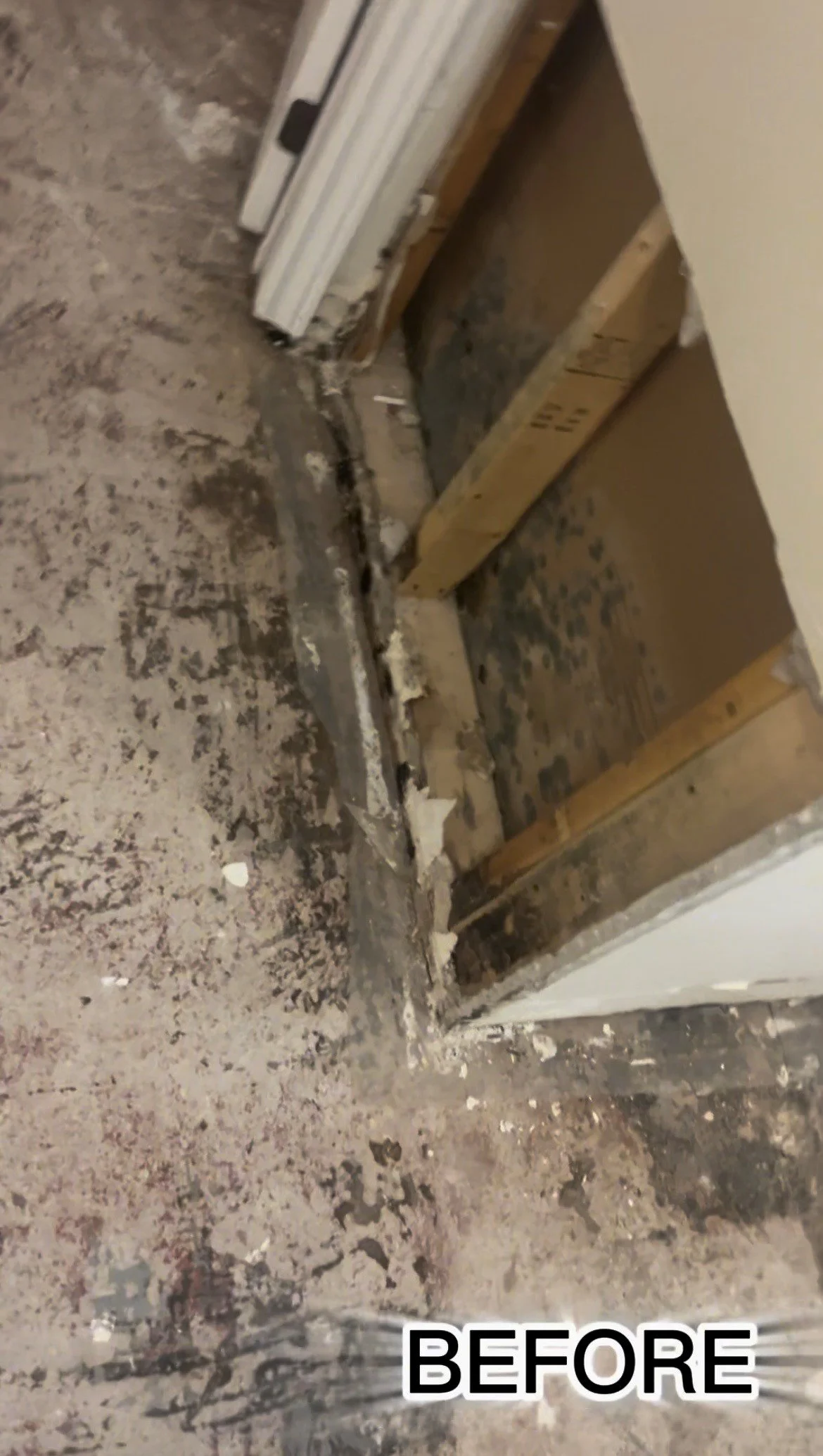
A partially demolished interior wall with exposed framing, debris on the floor, and a doorway frame without a door. The word 'BEFORE' is overlaid at the bottom.

5) Encapsulate treated materials to ensure long-term protection and durability
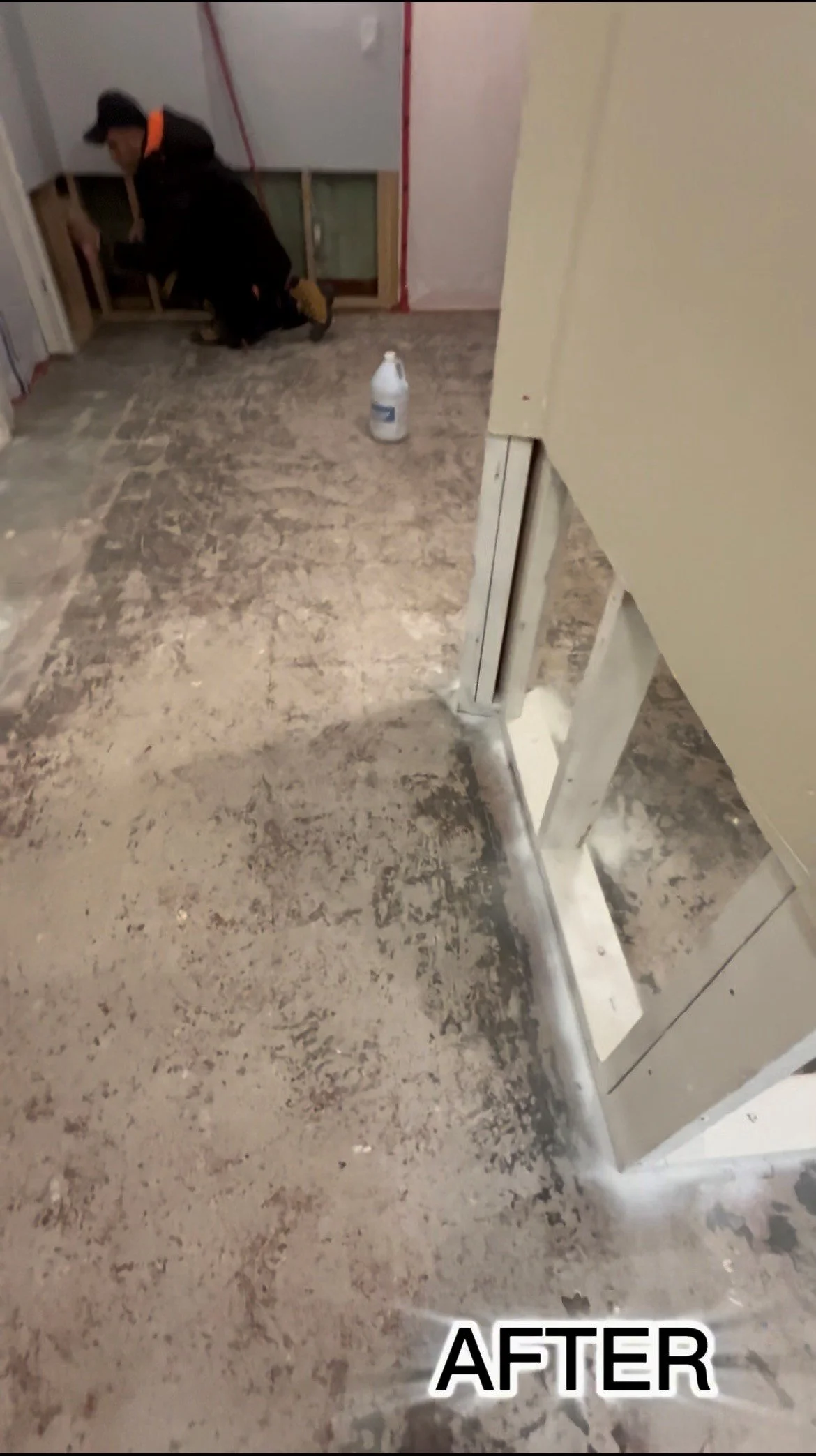
Renovation or construction site showing a partially installed doorway, with a worker kneeling and working on the wall near a window, and a spray bottle placed on the floor.